At a glance
These two costs keep coming back every year, so they belong in your budget from the start. Both depend on your state and your insurer, so use this guide to know what to ask.
Insurance: where a backyard unit fits in your policy
A standard homeowners policy has several parts. The California Department of Insurance's consumer guide explains them:
- Coverage A (Dwelling) covers your house and structures attached to it.
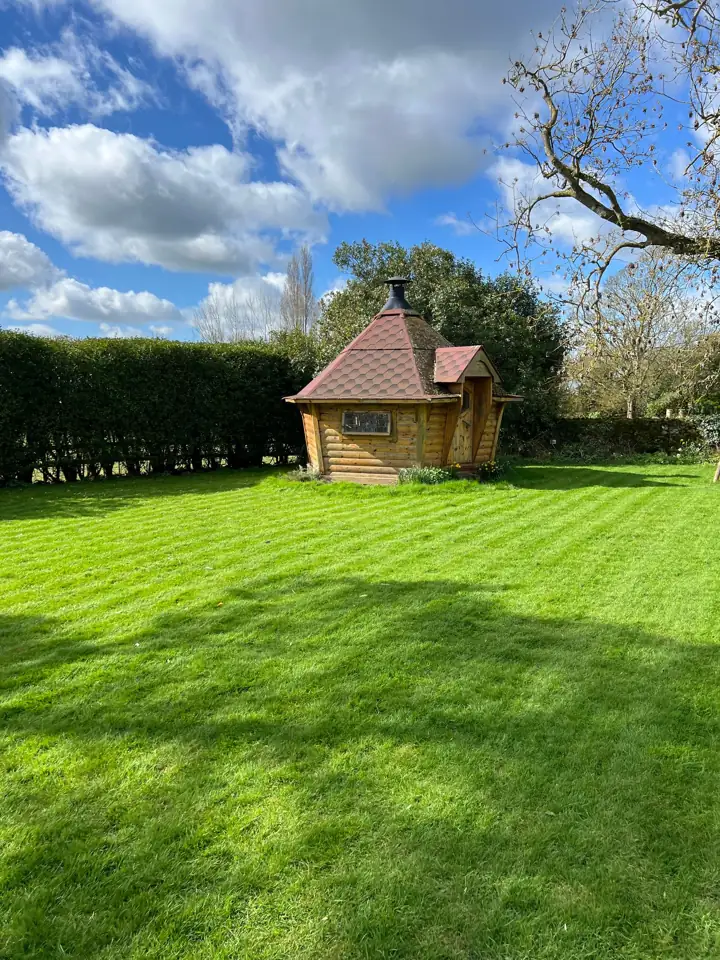
- Coverage B (Other Structures) covers structures not attached to the house, such as detached garages and sheds. It is normally limited to 10 percent of the Coverage A limit, and you can buy more for an extra premium.
That 10 percent matters. If your house is insured for $500,000, Coverage B might be $50,000. A detached ADU that cost $150,000 or more to build could be badly underinsured if you leave the default in place. An attached ADU or a conversion is usually part of the dwelling, so your Coverage A limit needs to go up instead.
Things to tell your insurer
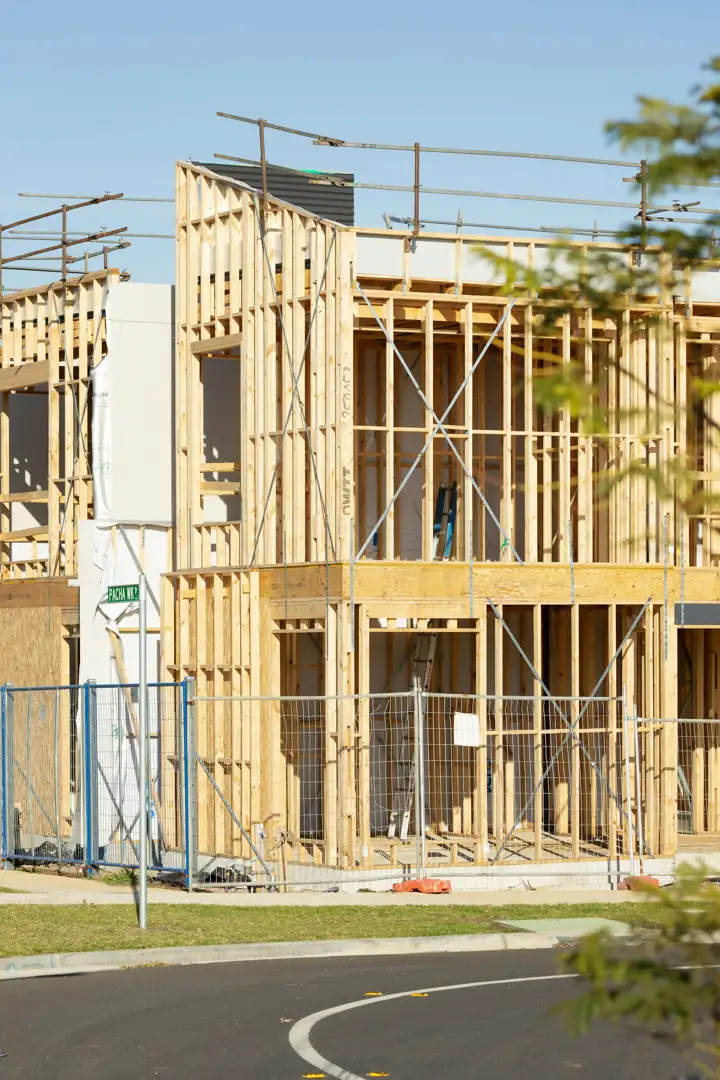
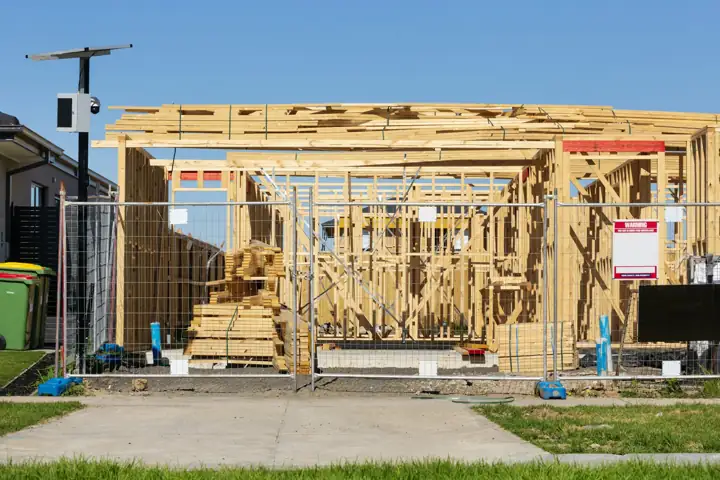
- That you are building, and when construction starts. Ask whether you need builder's risk coverage during construction or whether your contractor carries it.
- The full replacement cost of the finished ADU.
- Whether you will rent it, and to whom. Many homeowners policies treat a rented unit differently. Ask whether you need a landlord or rental endorsement.
- Whether it will be a short-term rental.
Other coverage to ask about
The same state guide lists perils that standard policies usually exclude, including flood, earthquake and earth movement. California insurers are required to offer earthquake coverage for an extra premium. Flood coverage usually comes from the National Flood Insurance Program. It also warns about building code upgrade coverage, sometimes called ordinance or law coverage, which pays for meeting new codes when you rebuild. An ADU built to current code helps here, but the main house may not be.
Ask your tenant to carry renters insurance. Your policy will not cover their belongings.
Property tax in California
California's State Board of Equalization says new construction is generally assessable. When it is finished, the assessor sets a value for the new work and adds it to your existing assessment. If construction is only partly done on January 1, the assessor values it in its state of completion and continues until it is finished.
The Santa Clara County Assessor explains how this applies to ADUs. Taxes go up, but only on the value of the ADU. Assessors treat ADUs like a home addition, and the existing home is not reassessed. For a conversion, the altered area is assessed, and space taken down to the studs may be treated as new. If you disagree with the new value, the office suggests contacting it within 30 days of the notice before filing a formal appeal.
Property tax elsewhere
Most states assess an ADU as an improvement that adds value, but rates, timing and caps differ a lot. Call your county assessor before you build and ask:
- How will the ADU be valued, by cost or by comparable sales?
- When will the new value show up on my bill?
- Does adding a unit change my homestead exemption or any cap on my assessment?
Mortgage and lender rules
If you have a mortgage, your lender requires adequate insurance on the property. Fannie Mae treats an ADU like any other home feature or improvement, so expect your lender to want the new unit covered too.
Budget checklist
- Get an insurance quote for the finished ADU before you sign a builder contract.
- Ask the assessor for a rough estimate of the added value.
- Add both to your yearly costs when you run your rental numbers. Our rental income guide shows how.
Before you call a builder: answer six questions to pick a type, rough out a budget, and save builders to My Stack as you go.